quarta-feira, 25 de dezembro de 2019

NATAL PORTUGUÊS

O que os portugueses comiam no natal há 100 anos
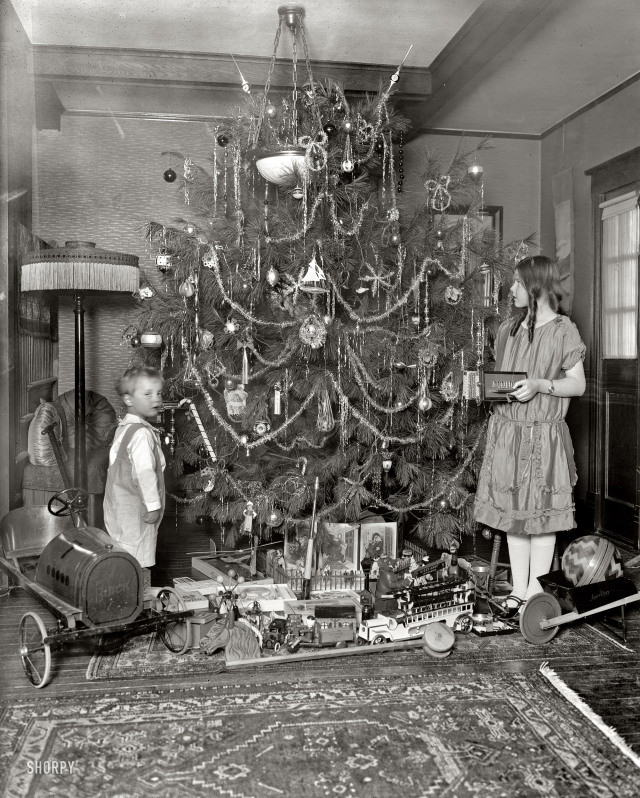

1920s-photography-history-christmas-visits-to-pre.

Está a ver aquela posta alta e deliciosa de bacalhau cozido com couves, cenouras, batatas e muito azeite por cima? No início do século XX, isso era coisa que só existia no Norte do país. Do Porto para baixo, a véspera de Natal era passada no mais rígido e rigoroso jejum. A partir do início do Advento, as famílias faziam jejum de carne e, na véspera de Natal, no Sul do país, era jejum total até à Missa do Galo.
A tradição é recordada por Maria de Lourdes Modesto num artigo publicado no jornal Público, em 2009. A maior especialista em comida portuguesa lembra-se que, na década de 30, depois da missa tinha finalmente direito a comer qualquer coisa – e normalmente os pais serviam um doce para quebrar o jejum. No dia 25, então, era servido um almoço completo e, no Alentejo, onde vivia com a família, era sempre porco – peru nem vê-lo. 
No Funchal, a tradição também era a do jejum na véspera e a do porco no Dia de Natal. De madrugada, depois da Missa do Galo, era servida uma canja e um cálice de vinho. Na verdade, a festa só começava depois da missa.
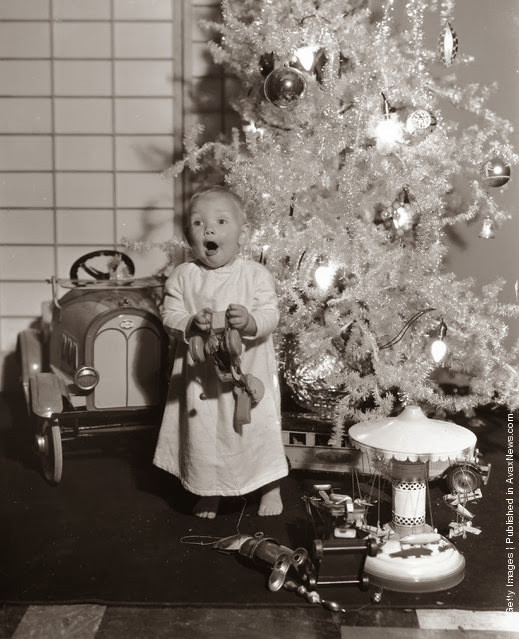
IMG_2618.JPG
Hoje em dia, a ceia da véspera de Natal tem tanta importância como o almoço de dia 25. Mas, há 100 anos, era coisa que existia essencialmente no Norte do País, acima do Porto. Aí, sim, havia uma tradição de jantar em família, com bacalhau – cozido ou em pastéis –, polvo guisado, arroz de polvo ou outros pratos sem carne. Na véspera de Natal, a família reunia-se à mesa para celebrar a festa em conjunto. E Missa do Galo não existia na região.
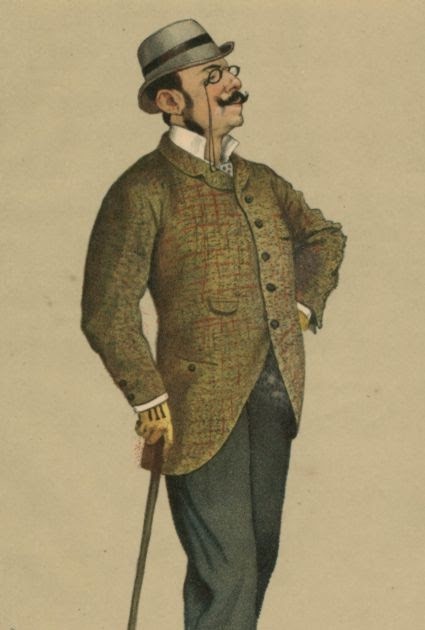
rortigao.jpg

Quando foi viver para Lisboa, no final do século XIX, o escritor Ramalho Ortigão indignou-se mesmo contra aquilo a que chamou "uma invasão do lar pela sacristia", um "intrometimento sacerdotal" que interrompia um jantar com uma missa. "Os padres, sem de modo algum lhes discutirmos o muito que eles sabem do pecado, não sabem nada acerca da família".
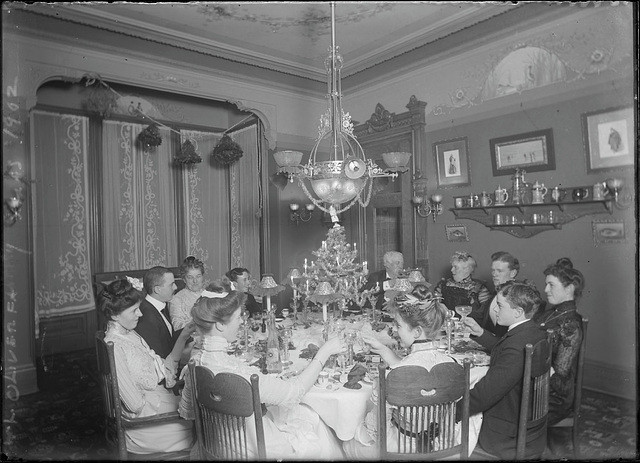
No Norte, ninguém rezava pelo Menino Jesus à meia-noite. A essa hora toda a gente estava sentada à mesa, à volta de um polvo ou de um bacalhau. Só as famílias da nobreza nortenha fugiam à tradição. Numa investigação sobre "os alimentos nos rituais familiares portugueses", Maria Antónia Lopes, do Centro de História da Sociedade e da Cultura, da Universidade de Coimbra, publicou um menu de uma ceia de Natal de uma família nobre do Norte, em 1891: puré de jardineira, arroz de fantasia caseira, costeletas nacionais e "ervilhas idem" e couve flor composta. Para sobremesa, bolo experimental, pudim incógnito e broas de Natal, entre outros. 
3706397.925e18c8.640.jpg
No final da II Guerra Mundial, o bacalhau começou então a espalhar-se por todo o país. Segundo Nuno Miguel Costa, do Museu Marítimo de Ílhavo, o Estado Novo via no bacalhau um prato "simples" e "humilde" que ajudava a educar o povo a ser poupadinho e bem comportadinho. Com a massificação da televisão e a distribuição de bacalhau garantida pelo Estado, a ditadura aproveitou para impor uma propaganda nacional em defesa do bacalhau, tornando-o tradição em todo o país.
Hoje, bacalhau cozido é coisa que não falta no dia 24 em casa da Família Mistério. Adoro aquelas postas altas e deliciosas de bacalhau que se separam em lascas suculentas. Mesmo as crianças estão rendidas a esta maravilha. Aliás, cá em casa, só há um alimento que cria um intenso e dedicado debate: o bolo-rei. Eu compro sempre, já a minha querida e prezada Mulher Mistério odeia.
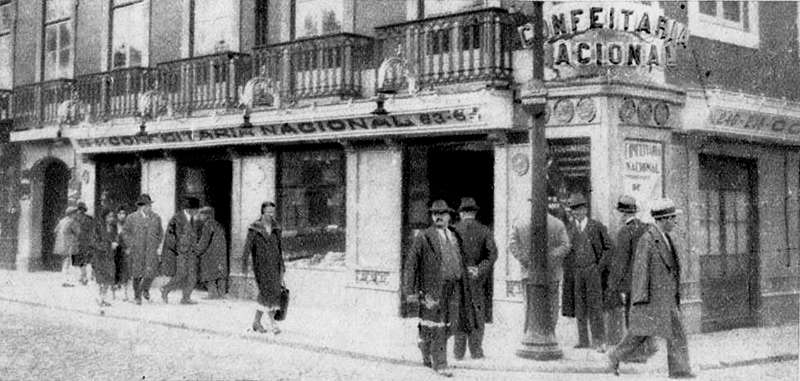
1931_entrada.png
Em Portugal, aliás, este bolo nunca foi consensual. A receita foi trazida para Lisboa em 1869 pelo dono da Confeitaria Nacional que, no ano passado, ganhou a rigorosíssima eleição de Melhor Bolo-Rei de Lisboa organizada por este vosso casal amigo e que teve como jurados o chef José Avillez e a Marta (veja aqui). Baltasar Rodrigues Castanheiro Júnior provou, pela primeira vez, o bolo-rei em Paris e começou a vendê-lo na Confeitaria. Rapidamente, o bolo se tornou um sucesso especialmente na época do Natal.
Mas, com a implantação da República, um bolo com "Rei" no nome virou um ultraje. A venda foi proibida pelo Estado e só a gula e a imaginação dos portugueses é que o conseguiu manter vivo. Antes que os políticos percebessem o que se estava a passar, já as pastelarias vendiam o mesmo bolo, chamando-lhe Bolo de Natal, Bolo de Ano Novo ou até Ex-Bolo-Rei.
Eu, por mim, como-o com qualquer nome ou de qualquer maneira e feitio. Tal como o bacalhau, o polvo, o peru ou qualquer outra maravilha da tradição culinária portuguesa. O que é importante é que seja delicioso.

Uma óptima ceia de Natal para si onde quer que a tradição esteja,

NÃO EXISTE NATAL SEM BACH

O AMOR DO ELEFANTE

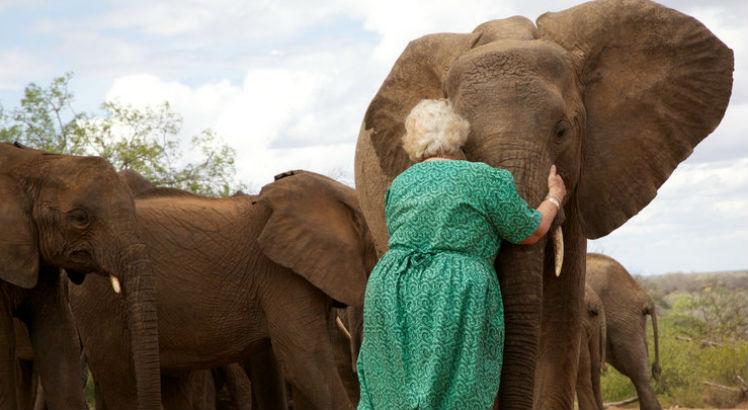
Elefantes órfãos fazem fila para abraçar a mulher 

que os criou

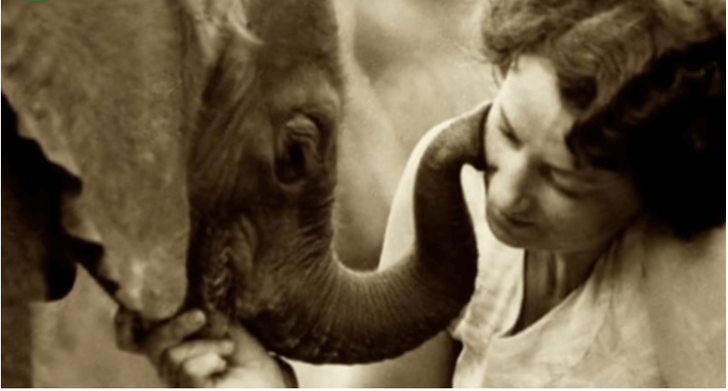
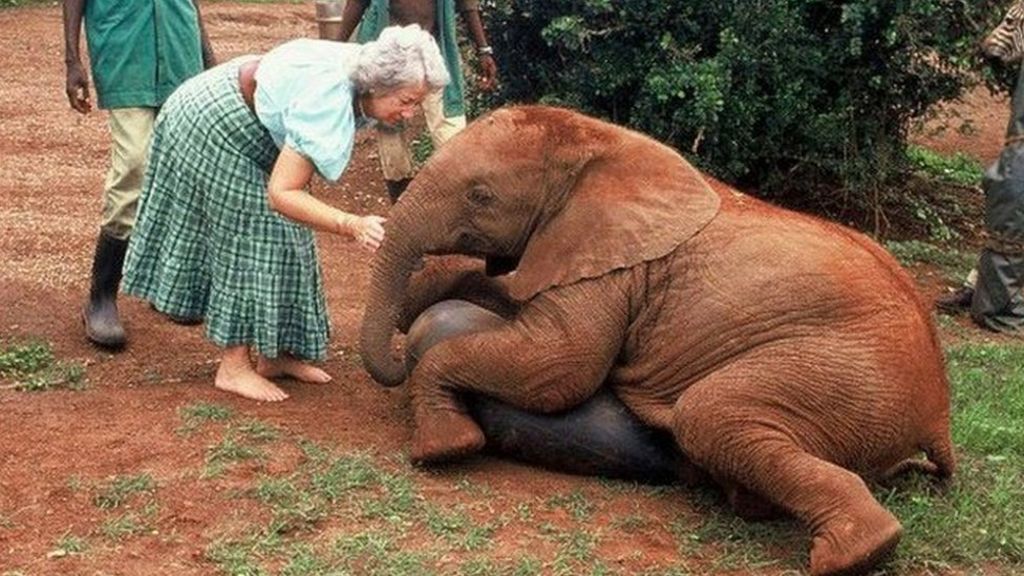
Daphne Sheldrick dedicou sua vida a proteger os jovens elefantes que ficaram sozinhos depois que caçadores ilegais mataram seus pais para obterem marfim.
Os animais são os seres mais agradecidos do mundo, muito mais que seres humanos. Embora eles não possam demonstrá-lo através de palavras, eles fazem isso com gestos físicos que, uma vez que entendemos, podemos compreender como somos importantes em suas vidas. Especialmente quando se trata de animais que foram resgatados ou receberam a ajuda de um humano.
Resultado de imagem para Daphne Sheldrick fotos
Um homem chamado David Sheldrick com sua esposa, Dr. Daphne Sheldrick, trabalharam por muitos anos ajudando a vida selvagem da África. Eles se dedicaram a aumentar a conscientização sobre esses animais e a tentar impedir a caça ilegal de elefantes para o tráfico de marfim.
Imagem relacionada
Depois de trabalharem muitos anos juntos, em 1977, David morreu de um ataque cardíaco, deixando sua esposa sozinha nesta difícil luta. No entanto, isso a motivou ainda mais para continuar seu legado, então ela criou a fundação David Sheldrick Wildlife Trust, uma das 3 organizações em todo o continente que resgata, reabilita e libera elefantes órfãos que tiveram problemas por causa da ganância de ser humano.
Sem suas mães, os pequenos elefantes provavelmente não sobreviveriam, mas graças à ajuda do Dr. Sheldrick, eles conseguiram se manter durante a infância e depois sobreviver por conta própria.
Resultado de imagem para Daphne Sheldrick fotos
Para ajudá-los, Sheldrick criou uma fórmula de leite materno especial com gordura vegetal e óleo de coco, que mantém os jovens felizes, apesar de estarem longe de sua família para sempre. De fato, graças a esta fórmula, ela se tornou a primeira pessoa capaz de criar bebês de elefante.
Imagem relacionada
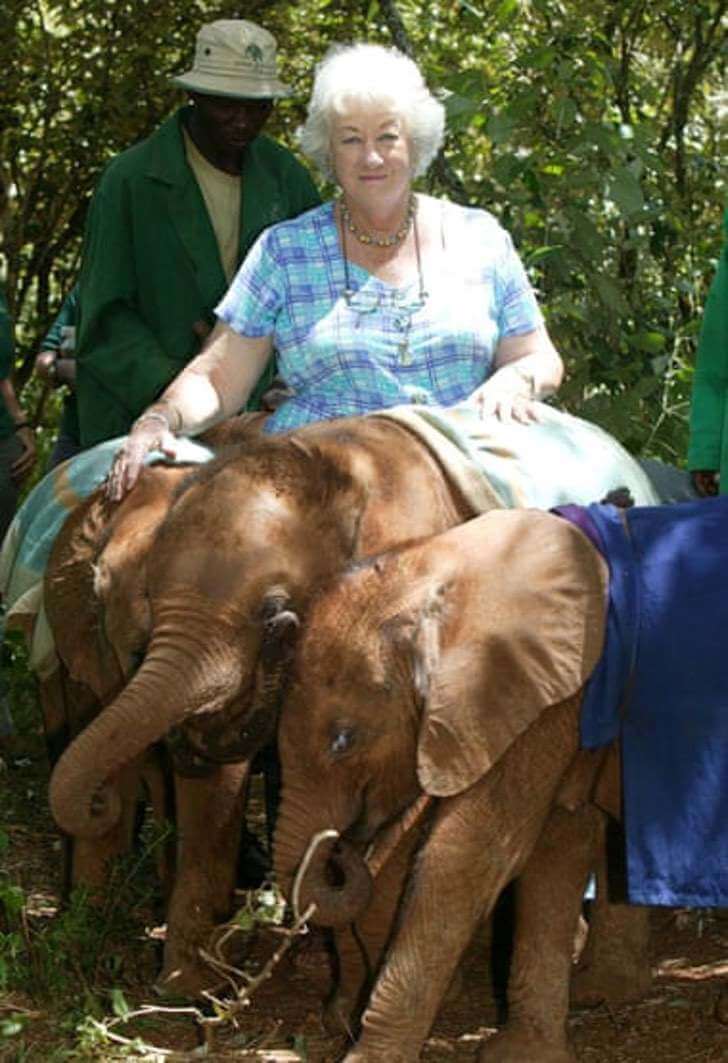
Como a maioria dos animais chega estressada tentando escapar do santuário, todos recebem um cuidador que os supervisiona durante a noite e os acalmam quando eles se sentem assustados.
Imagem relacionada
Uma vez que eles atingem a idade adulta, eles são levados para o Parque Nacional de Tsavo, onde vivem protegidos pelo resto de suas vidas, longe da mão cruel do homem.
Resultado de imagem para Daphne Sheldrick fotos
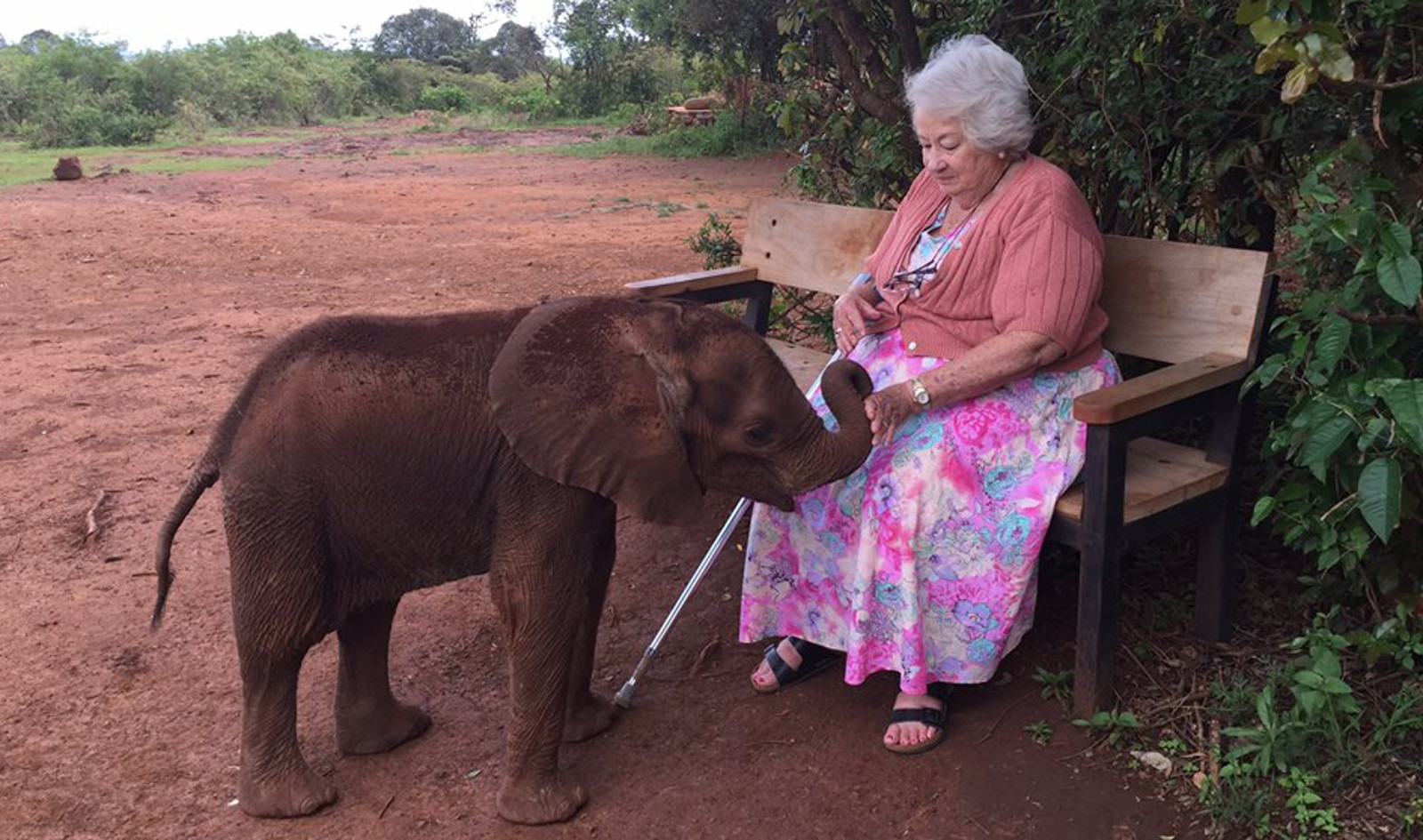
O amor de Sheldrick por essas criaturas é tão grande que eles sentiam isso, e esperavam ansiosamente por seus abraços, assim como o amor que eles tinham recebido de sua mãe antes.

A PODRIDÃO DAS INSTITUIÇÕES


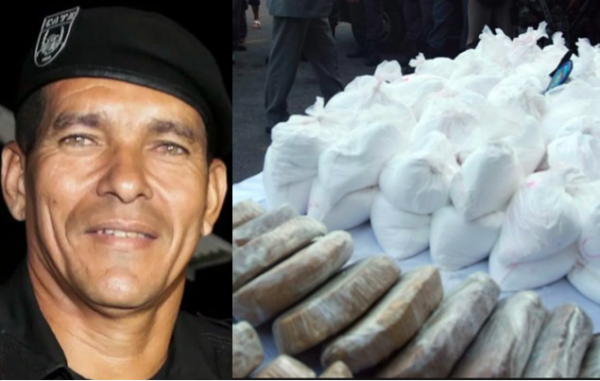
Prisão de herói do Bope confirma: atrás de todo grande traficante, tem um homem de farda. Por Joaquim de Carvalho

terça-feira, 24 de dezembro de 2019

A VEZ DA IGNORÂNCIA

A imagem pode conter: 5 pessoas, pessoas a sorrir, texto

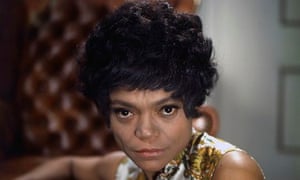
A COR DE EARTHA KITT


Eartha Mae Keith (North, 17 de janeiro de 1927 — Weston, 25 de dezembro de 2008) foi uma atriz e cantora norte-americana.


Filha de mãe negra e pai branco, nasceu em uma fazenda produtora de algodão no estado da Carolina do Sul e iniciou a carreira artística como dançarina.
Como cantora, Eartha era conhecida por sua voz sensual e lançou seu primeiro álbum em 1954, o qual trazia canções como "C'est Si Bon" e "I want to be Evil". "Where is my man?", "Santa Baby", "Old Fashioned Girl" são outras músicas que se tornaram conhecidas do público.


Como atriz interpretou a segunda Mulher Gato no seriado Batman durante a década de 60, papel que assumiu depois que a atriz Julie Newmar abandonou o série. A Mulher Gato Negra não agradou os fãs na época.
Eartha chegou a ser chamada de "a mulher mais excitante do mundo" por Orson Welles, mas passou a maior parte da vida solteira.


Além de receber indicações a importantes prêmios como Emmy (TV), Grammy (música) e Tony (teatro), Eartha era polêmica por suas declarações. Na década de 60, teve de direcionar sua carreira para fora dos Estados Unidos, depois de se mostrar, durante um almoço na Casa Branca, contra a guerra do Vietnã.


Eartha Kitt's life was scarred by her failure to learn the identity of her white father, says daughter

 This article is more than 6 years old
Singer's search to discover more about her origins was frustrated by official secrecy
Eartha Kitt on TV
Eartha Kitt in a TV series in 1975 during her stay in Britain. Photograph: ITV/REX
Eartha Kitt's daughter has revealed that the singer died without knowing the identity of her white father, after being denied the truth by officials in the American Deep South.
Kitt's extraordinary life and elusive past has come under the spotlight five years after her death, with publication of a biography called America's Mistress: Eartha Kitt, Her Life and Times by British journalist John Williams.
The world-famous singer came from a dirt-poor background and only found out her date of birth when she was 71. But according to her daughter, Kitt Shapiro, who chose not to co-operate with the biography, when Eartha launched a legal fight to gain access to the birth certificate she fell victim to a cover-up by officials. The singer, who died in 2008, wept when she set eyes on the certificate in 1998, only to find that her father's name had been blacked out, said Shapiro, her only child, who had accompanied her mother. Shapiro said in an interview with the Observer: "My mother was 71 at the time and it was approaching the 21st century, and yet they were still protecting the name of the father even though he was clearly dead. They were protecting the white man because they would not have gone to that trouble to protect a black man. The courts still held it as legal to withhold the documentation. We were amazed. My mother assumed it was their dirty little secret."
Once called the "most exciting woman in the world" by Orson Welles, Kitt became a singer and dancer whose suggestive and sensuous performances captured the public imagination in the 1950s. Her former lover Charles Revson, the billionaire founder of Revlon cosmetics, even created a lipstick for her, calling it Fire and Ice. In the 1960s she made the role of Catwoman her own when she became the first black woman to achieve mainstream TV success in America with Batman, even breaking racial taboos by flirting on screen with Adam West in the lead role.
Much of Kitt's background remained shrouded in mystery, with the performer convinced that her date of birth was 26 January 1926. Born in the tiny hamlet of St Matthew's, South Carolina, Kitt's mother, Annie Mae Keitt, abandoned her daughter at an early age when she found a new man with little time for the light-skinned Eartha.
Shapiro, who now lives in Connecticut, said: "In 1927, to be a light- skinned black person in the South was just as horrible as being a black person in the white South. My mother was not accepted by the black community.
"She never found out her father's name, but always assumed he was white. My mother was referred to as a 'yellow gal', which was not a compliment. It meant someone who thought they were better than everyone else even though my mother was just a child at the time. She was horribly abused in the South. She was beaten, mistreated, emotionally and physically."
Eartha Kitt was taken in by a relative called Aunt Rosa, but far from finding sanctuary fell victim to her abusive relative and from a young age was obliged to earn her keep by picking cotton. But the horror did not end there because she witnessed the death of her mother when she was around seven years old.
Shapiro, 51, said: "She was convinced her mother was poisoned. My mother remembered being brought to her mother who was dying and a baby was passed over her mother's body. My mother's interpretation was that this was because the death was not natural: it was voodoo. It was spiritual."
Soon after her mother's death, Kitt was sent to live with another relative in New York, where she would later win a place with America's first black modern dance company, run by Katherine Dunham. During the company's tour to Paris and London, Kitt broke away to make a solo career and Britain would become a second home for Kitt and her daughter. But it was only when Kitt was invited to give a speech at Benedict College in Columbia, the capital of South Carolina, in 1997 that the singer managed to come to terms with her original home.
Shapiro said: "It was like much of my mother's life: it was just a case of a door opening. She was invited to speak at this college and I went down with her. During the speech someone asked her about her background and parents since she was from the area. My mother said that she had tried to find her birth certificate during the 1950s but was unsuccessful.
"She said if anyone can find it, then she would be most grateful. So the kids found some information that eventually led us going back down to the South."
She added: "We had to get a lawyer and petition the court to get the records opened and this took about six to seven months. We flew down to see the records but were allowed just 15 minutes … She was very nervous and outside the judge's chambers she went quiet. She was visibly nervous about what she was going to see. I knew the signs because before she went on stage she was always terrified. It was a female judge who stepped aside while we read the records on her desk. The father's name was blacked out. My mother shed a few tears and then the 15 minutes was up."
Williams claims that Kitt's father was Daniel Sturkie, a local white doctor. But Shapiro said: "I do remember the name because we were told they were one of the local white families, but I cannot recall whether it was suggested he was the father. There were a lot of names."
Shapiro, who worked for her mother for more than 20 years, believes that this failure to find out her mother's origins explains her tortured relationship with the South and her own identity. "My mother never really felt comfortable in her own skin because she never really knew who she was until then. She did not even know how old she was. She had always put 26 January 1926 on her passport, but actually she was born on 17 January 1927."
Kitt became a leading light in the civil rights movement in the 1960s but when she condemned the Vietnam war on a visit to the White House her career in the US ended and the CIA branded her "a sadistic nymphomaniac". By then Kitt had divorced the father of her daughter, Bill McDonald, who was a white businessman and wounded Korean war veteran addicted to painkillers, and mother and daughter moved to London to relaunch her career in Europe. Shapiro said: "We lived in Knightsbridge and later Fulham. I went to school in London and spent many a year in England. My mother regarded England as a second home."
In 2008 Kitt died on Christmas Day at her US home after being diagnosed with colon cancer. Now her daughter has set up a business called Simply Eartha in her mother's memory, as well as managing her estate. She said: "She carried the scar of her rejection with her all her life. She was rejected for the colour of her skin ironically by both black and white.
"To some extent, I think my arrival completed her because it gave her a family that she never had."


VILLANCICOS DE NAVIDAD